Skip Hire Harrow
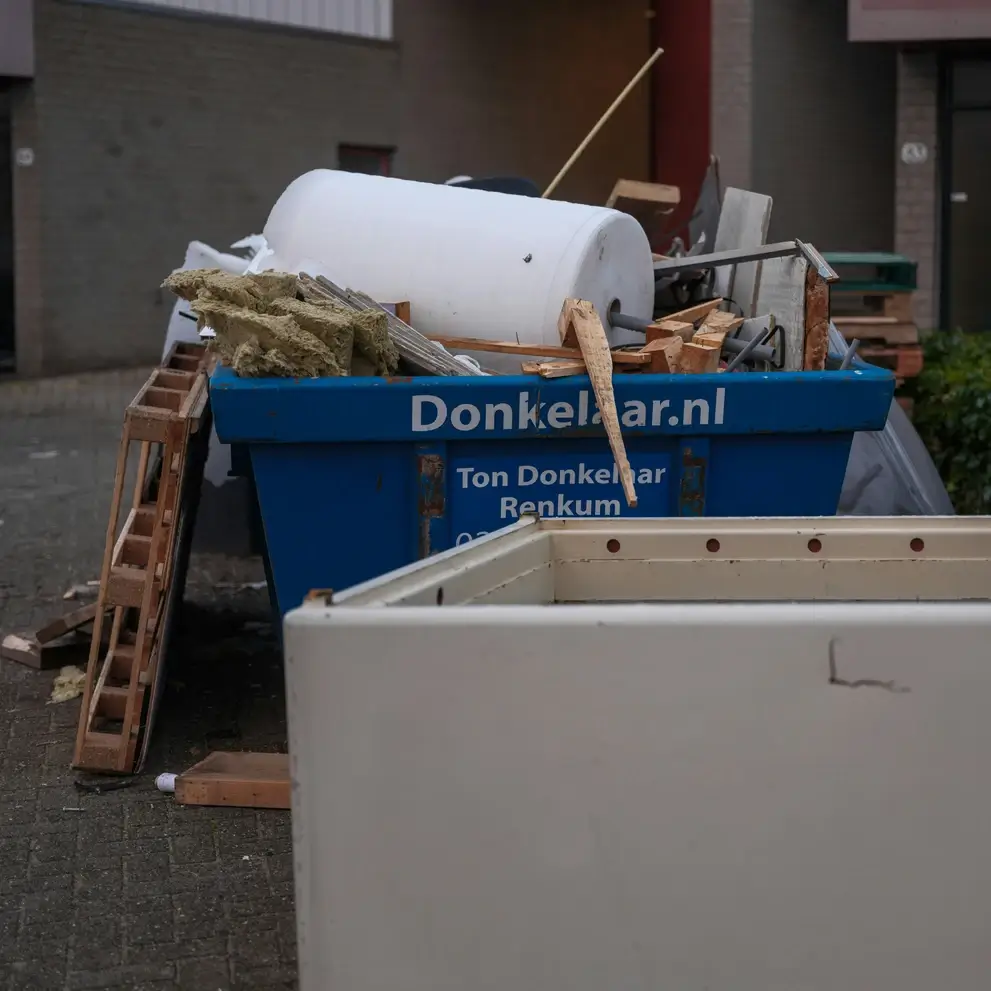
Skip hire in Harrow gives households, landlords and trade customers a practical way to clear mixed non-hazardous waste without turning every job into a series of car trips. Our service covers the main types of loads associated with home improvements, garden work, decluttering and light building projects, with straightforward options for those who need a contained, on-site solution. If you are comparing capacities, access needs and collection timing, it helps to begin with the type of waste rather than the vehicle alone.
We support customers who need a simple skip hire arrangement for general rubbish, bulky items and project waste that can be loaded safely. The service is designed around choosing a suitable size, placing it where access allows and keeping the contents within acceptable limits. For a quicker route into the right option, skip sizes and prices is a useful place to compare the common choices before you ask for a quotation.
Some customers also want to understand where a skip can be placed, whether a permit is needed and how collection is arranged once the container is full. We cover those practical points through the enquiry process, and we can talk through the most suitable route for domestic and commercial waste streams. If you already know the kind of job you are planning, the clearest next step is to request a quote and give us a brief description of the material you want removed.
Choosing the right skip for your project
Different jobs create different loads, and that matters more than simply picking the biggest available container. A bathroom rip-out, a garden clearance and a shop fit-out each produce waste with its own mix of bagged rubbish, timber, soil, packaging and bulky pieces. A sensible choice avoids wasted space and helps keep collection straightforward. For jobs where access is tight or loading needs to be controlled, domestic skip hire can be a sensible fit because it keeps the process simple for home projects.
Builders and property teams often need a more robust arrangement for heavier debris, broken fixtures and renovation waste. In those cases, the right decision depends on the mix of material, the available roadside or driveway space and how quickly the container is likely to fill. You may also want to compare a standard skip with a service such as builders skip hire when the load is made up mainly of construction waste and the work is being carried out in stages.
What affects the best fit
When choosing a size or service type, the main factors are the amount of waste, the density of the load, the working space available and whether you are clearing household items or site debris. Heavy material takes up less room but reaches weight limits sooner, while lighter mixed waste can fill a container quickly without seeming bulky at first. If the job is likely to involve bricks, rubble or other dense material, it is worth discussing that at the outset so the arrangement matches the load rather than just the floor area it occupies.
Household clearances and mixed domestic waste

Home projects often create waste in stages, and skip hire is useful when you want to keep material together rather than sorting it into several separate runs. Typical domestic loads include old cupboards, broken furniture, packaging, fitted units, flooring offcuts and general household clutter. For larger clear-outs, it can be helpful to pair a skip with a more targeted service such as house clearance when you need a combination of bulky item removal and general waste handling.
Loft, garage and spare-room clearances are often about dealing with mixed items that are awkward to carry through the property and time-consuming to load into a car. Where the job is mainly domestic, you may also want to look at garage and loft clearance because it suits situations where the goal is to remove accumulated items rather than only skip-fill waste. Either way, the key is to match the service to the way the rubbish is stored and the pace at which you want it gone.
For customers who need to clear a property before decorating, moving, letting or refurbishing, a skip can provide a steady place for waste to build up over the course of a job. It is especially useful when rooms are being emptied one by one or when several people are working on the same property and need one clear disposal point. If you are not sure whether a skip or a collection-led service is better, tell us what kind of items you have and we can help shape a practical quotation.
Builders’ waste, refurbishment and site work
Refurbishment work creates a predictable pattern of waste: old fittings, plasterboard, timber offcuts, broken tiles, packaging and general debris that needs collecting as the job progresses. A skip keeps that material in one place and helps site work stay more orderly. For projects involving trade waste, one useful option is construction waste disposal, especially where the material is concentrated in a renovation or fit-out phase rather than a one-off household clear-out.
We also support waste streams from demolition and heavier strip-out work where the contents are less tidy and may include mixed inert debris. In those cases, arranging the right disposal method matters because the load can be dense, messy and more difficult to handle than lighter domestic rubbish. A related page such as demolition waste removal can help you identify which kind of service suits the stage of work you are at.
Common site decisions include where the container will sit, how far material must be carried, whether waste will arrive all at once or gradually, and whether there are any access limits that affect loading. If you are managing a team or coordinating trades, it is worth planning the waste point before the stripping-out begins. That way, you reduce the chance of clutter building up in working areas and can keep the removal side aligned with the pace of the job.
Garden waste and outdoor projects
Outdoor work produces a different kind of waste again, from branches and turf to soil, hedge trimmings, old sleepers and broken fencing. A skip can suit these jobs well because it gives you a fixed place to gather material while the garden is being reshaped. For pruning-heavy work and seasonal clearances, garden waste removal is a practical point of comparison, especially if the load is mainly green waste and cuttings.
Some garden jobs also involve hard materials such as patio rubble, pots, edging and timber fragments from dismantled structures. When that happens, it is important to think about the waste mix rather than the outdoor setting alone. A garden project with mostly spoil, slabs and heavy debris may need a different approach from a lighter clearance of branches and clippings. If you are planning a broader landscaping change, a skip can help you keep the site tidy while different parts of the work move forward.
Garden clearances also benefit from a sensible loading pattern. Dense material should not be hidden under lighter waste, and anything awkward or sharp should be placed so it can be handled safely. If you are comparing options, ask for a quotation that reflects the actual contents rather than just the size of the job. That makes it easier to choose an option that fits both the waste and the space available.
Commercial premises and workplace clear-outs
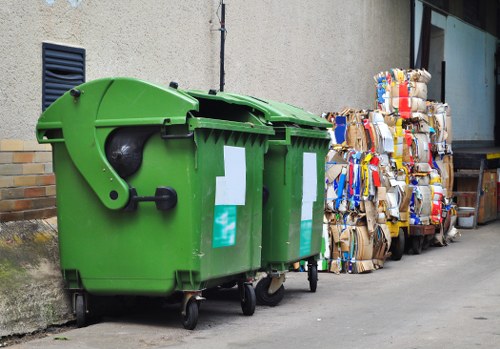
Businesses often need waste removed around trading hours, during refits or when a unit changes hands. A skip can support that process by giving staff or contractors one place to gather packaging, worn fittings, shelving, office material and refurbishment debris. For premises that need a more organised approach, commercial skip hire is the relevant service page to review when you are planning waste handling around operations and access constraints.
Office moves and reorganisations can create a surprising amount of material even when the work seems administrative rather than structural. Old chairs, cupboards, carpets, files, packaging and broken fixtures all need a disposal route. In those situations, it may help to compare a skip with office clearance if you want a service that is better aligned with furniture removal and general office contents rather than only loose rubbish.
For business customers, practical planning often matters more than anything else. Loading should be timed so that rubbish does not interfere with customers or staff, and the chosen option should match the volume and type of waste being produced. If you need to keep the work area usable while the job is in progress, a clear plan for the container and collection point makes the process far easier to manage.
Restricted items, handling and waste types
Not everything can simply be mixed together in one load, so it is important to check the contents before arranging collection. General household waste, wood, metal, packaging and many common renovation leftovers are typically straightforward to discuss, but some materials need special handling or a different service entirely. A concise overview of the main allowances is available on what can go in a skip, which is useful when you want to avoid uncertainty before booking.
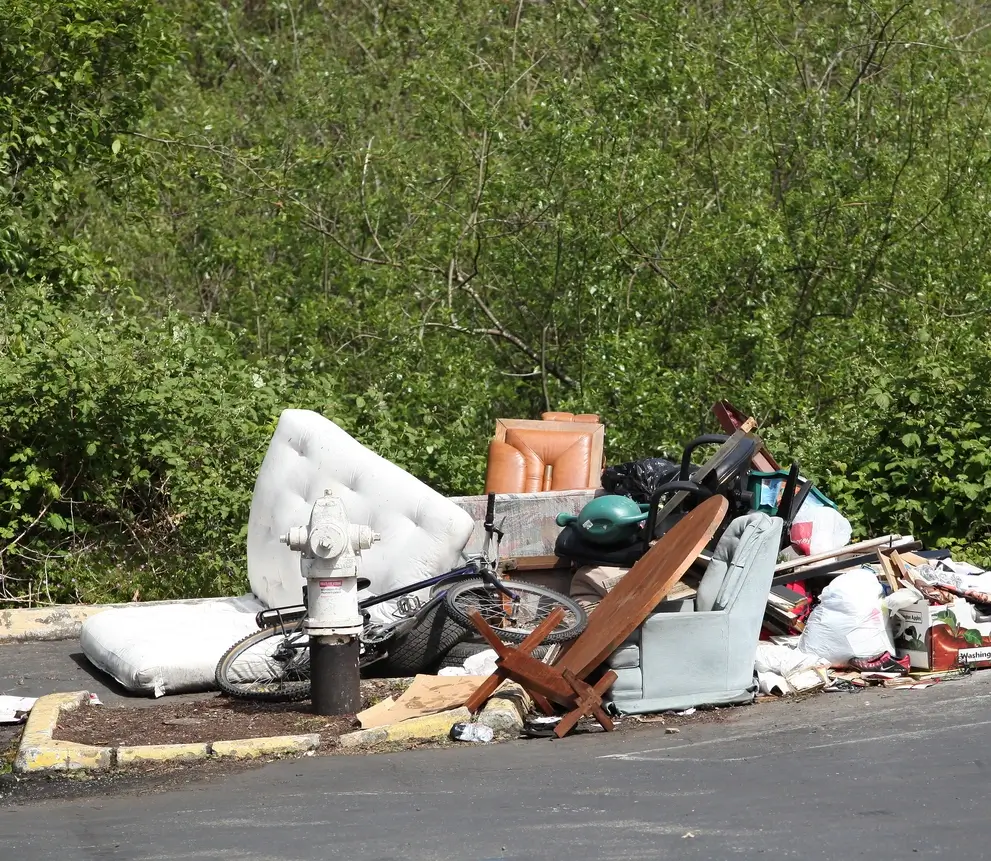
Where items are bulky rather than ordinary mixed waste, dedicated removal may be more suitable. Old appliances, sofa pieces, mattresses and similar objects can often be better dealt with through targeted disposal routes instead of being mixed into a broader load. If that applies to your job, the pages for fridge and appliance removal and mattress and sofa disposal help separate those items from general rubbish.
Hazardous or specialist waste should always be handled carefully and only through the right channel. Paints, chemicals, asbestos-related material, pressurised containers and other controlled items are not part of an ordinary skip decision. If your load may include anything uncertain, mention it clearly at the quotation stage so the guidance you receive is based on the real waste type and not an assumed general load.
Access, permits and practical set-up
Before a skip is delivered, it helps to think about where it will go, how the lorry will access the space and whether the container will sit on private ground or the public highway. These points affect the arrangement as much as the waste itself. If the skip is likely to be placed off-road, you may find skip permits useful because it explains the separate considerations involved when a permit is part of the plan.
Access can be just as important as space. Narrow drives, low trees, parking restrictions, nearby walls and overhead obstructions may all affect whether one option is more suitable than another. In some cases, a controlled loading method can be easier than leaving a container in place for longer than necessary. Where that sounds relevant, you might compare wait and load skip hire if you want a solution that reduces the need to keep the container on site.
Two useful pieces of preparation are enough for most enquiries: first, have a rough idea of the waste type and quantity; second, note any access restrictions that could affect delivery or collection. You do not need to overcomplicate the request, but accurate information helps make the quotation more practical. If you can describe the main items and the setting in plain terms, that is usually the best starting point.
Recycling, disposal and price factors
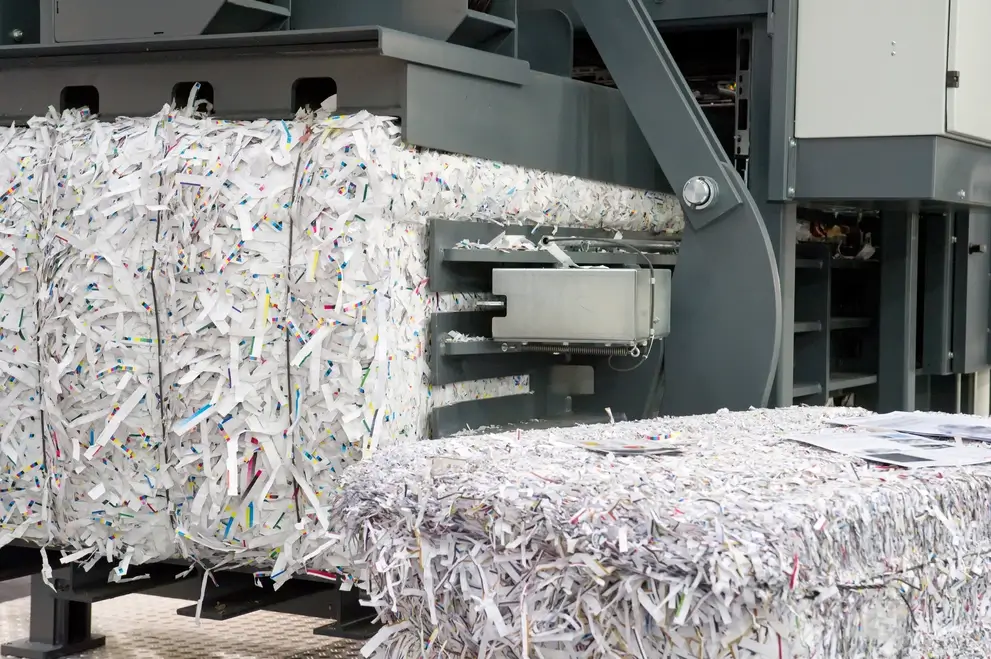
Waste management is not just about getting material out of the way; it also depends on what happens to it afterwards. Mixed loads often pass through sorting and recovery processes so that recyclable material can be separated where possible. A useful companion page is waste recycling services, which gives a better sense of how recovered material is handled after collection.
Quotation details are shaped by a few clear factors: the type of waste, the estimated amount, the level of access, the collection method and whether any special handling is needed. Heavier materials, awkward access and specialist disposal requirements can all influence the right option. If you want a more general overview before you enquire, pricing and quotes is a helpful page for understanding how estimates are put together.
In practice, the best quotations are built around a realistic description of the job. That means being clear about whether the waste is household, garden, building or commercial, and whether there are items that need separate handling. The more closely the arrangement matches the actual load, the easier it is to keep the collection process efficient and the service appropriate for the task.
About Harrow
Harrow is a large town and London borough in north-west London with a long and varied history that includes both medieval and modern layers. Harrow on the Hill is the best-known historic core, rising above the surrounding district and associated with St Mary’s Church and Harrow School, while the wider borough includes a mix of residential streets, town-centre shopping, open spaces and transport corridors. The area’s name is ancient, appearing in forms linked to a hill or boundary place, and the hilltop settlement developed as a distinctive centre long before the borough was created in the twentieth century. Today the borough combines older suburban districts with newer commercial development, and that mix can be seen in the contrast between the traditional hilltop village atmosphere and the busier modern centre around Harrow and Wealdstone. Green spaces such as Harrow Recreation Ground, Headstone Manor Recreation Ground and longer parkland routes contribute to the local character, while the town centre provides a more urban layer with public transport, civic buildings and retail activity. Architecture in the borough is similarly mixed, ranging from heritage churches and school buildings to interwar housing, post-war estates and contemporary apartment schemes. The result is a place with a clear sense of local identity, shaped by elevation, settlement history and the steady change from rural parish land to suburban London neighbourhoods.
How to arrange your quotation
When you are ready to ask for a quotation, keep the request simple and specific. Say what kind of waste you have, where it is located, whether the material is loose or bagged, and whether access is straightforward. If the job includes several waste types, list them in order of quantity so the main load is clear. That gives a better basis for suggesting the most suitable skip or disposal method.
It is also helpful to say whether the job is a one-off clear-out, part of ongoing works or a staged project that will fill gradually over several days. For some customers, a skip is the obvious answer; for others, a more flexible collection plan may fit better. If you are still weighing up the options, book online is available for those who want a direct route into the next step after reviewing the main pages.
For a final check before you commit, it can be useful to compare the waste type with the chosen service and make sure the collection point is practical for delivery. If you need help deciding, tell us the basics and we will work from there. Request a quotation when you are ready and we can help you move from planning to disposal without unnecessary delay.
Support for larger clearances and special jobs

Some jobs sit between a standard skip hire need and a more specialised waste removal service. A garage packed with mixed household items, a site with repeated small clear-outs or a property containing bulky furniture can all benefit from a wider conversation about disposal. In those cases, related services such as rubbish removal and site clearance may be useful depending on how the waste is distributed and how quickly it needs to go.
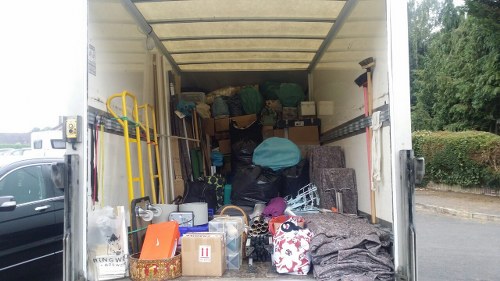
For smaller loads that do not justify a skip on site, other collection options can be more efficient, especially where access is limited or items are awkward to move. A page such as man and van can help you compare a collection-led route with a container-based one. The right choice depends on the waste, the access and whether the material is likely to be gathered all at once or over time.
Whatever the job, the goal is the same: choose a disposal method that suits the load, the space and the way the work is being carried out. If you keep the request focused on those practical points, you will usually get a clearer recommendation and a quotation that reflects the actual work rather than a rough guess.